
Connecting with Nature and the Meaning Crisis

You may have noticed a common theme across my website.
Connecting with nature.
That is because I believe that humanity is facing a meaning crisis, as John Vervaeke calls it. It’s a plague of disconnection, and I believe connecting with nature, and feeling ourselves as an integral part of this beautiful cosmos, is an antidote.
The plague of disconnection, with its loneliness and lack of purpose, is an inevitable result of our modern society and our progress as a species. We have been separated from our natural habitat, and from the divine and sacred, and we are out of sync with the universe in which we live. Advertising breeds within us unquenchable desires and unmeetable expectations. At the same time, people are increasingly turning their back on organized religion which was one of the last remaining institutions bringing people together and creating a sense of community and connection.
It is no wonder that rates of drug abuse, depression, anxiety, and suicide are rising.
These are all symptoms of disconnection.
And, just like any other disease, treating the symptoms without addressing the underlying cause does little good. Our scientific and political attempts to treat this plague have not been very successful, and neither have our religions.
So people have been increasingly turning towards things like mysticism, mindfulness, spirituality, neo-paganism, and psychedelics because all of these paths offer the promise of connection to nature and tradition, and they can be attractive alternatives to those whose temperaments are opposed to dogmatic traditions.
Unfortunately, they may not always deliver on those promises.
So I’ve devised a number of practices and techniques based on a combination of scientific and religious understanding, and a lot of time in nature, to aid myself and others as we attempt to reconnect with nature, with tradition, with each other, and with ourselves.
I usually express these practices with highly religious terminology, so I wasn’t sure if I should include this circadian rhythm entrainment technique as a spiritual practice, but, as I thought more about it, I realized that it serves the exact same purpose, connection, as my other practices even if it is written in different language. And my other practices are based on just as much scientific research and understanding even though they are written in religious language.
So, yes. This is a spiritual practice, and it will help harmonize your inner rhythm with that of the earth, sun, and moon. It is also a practical guide to entraining your circadian rhythm for earlier sleep, better sleep, and improved energy and mood. And, hopefully, it can be another useful tool to help combat the meaning crisis.
Connecting Through Circadian Rhythm

In a world where we are constantly surrounded and bombarded by electronic screens and advertising, it can be difficult to find peace and connection with nature. Many people struggle with sleep issues like insomnia, or irregular sleep patterns, an inability to wake up in the morning, and a lack of energy. This leads to a less productive and less fulfilling life, and it takes a toll on your mental health. This may be able to help. A lot of these common problems stem from disruptions of our circadian rhythm, and recent research has provided ways to reset our internal biological clock to reconnect our circadian rhythm with the natural light/dark cycle of the earth.
This reconnection with nature and stabilization of our biological clock has many health benefits. It helps us fall asleep, makes it easier to wake up, gives us more energy during the day when we need it, helps us focus better, and can help alleviate depression and anxiety. Those are significant benefits and have a strong impact on quality of life. Entraining your circadian rhythm can make a serious difference in your life and productivity, improving your efficiency at work and your enjoyment at home.
The Importance of Disconnecting and The Effects of Electric Light
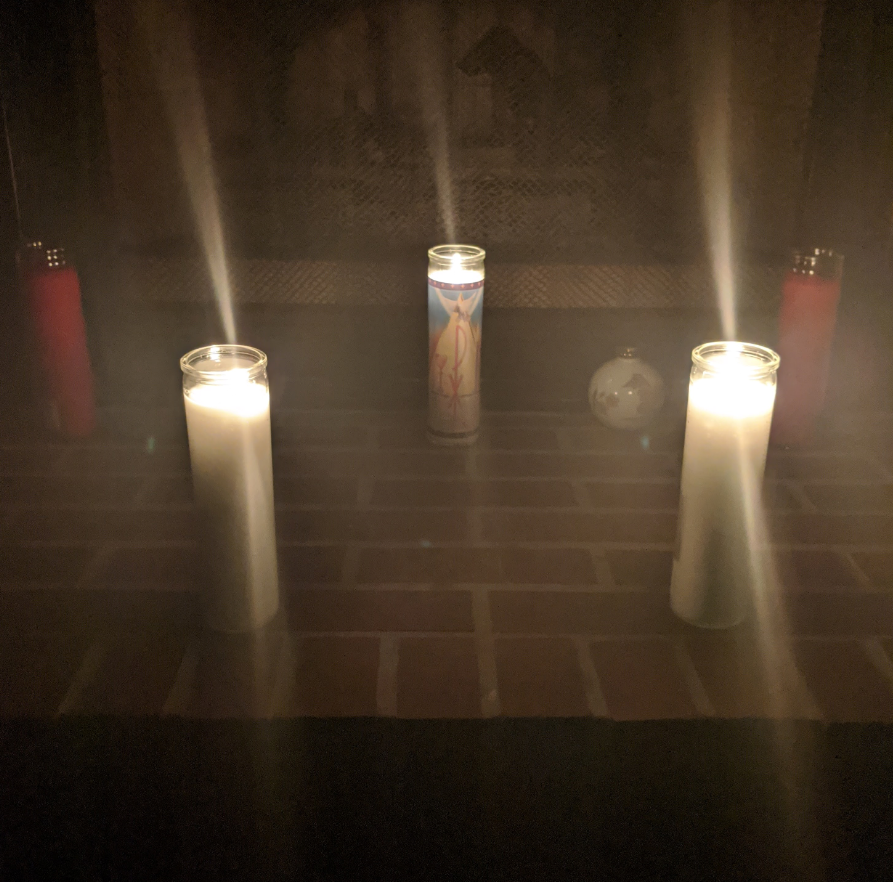
Electricity has been hugely important for the progress of humanity and allows us to live very different lives than the generations of humans that came before its discovery. Unfortunately, it also has had a negative effect on our sleep. Exposure to electrical light after sunset disrupts our natural circadian rhythm and breaks our synchronization with the earth’s natural light cycle. This exposure leads to later sleep schedules and less effective sleep. It leads to lower energy levels during the day when we need it and higher energy levels at night when we should be getting drowsy and going to sleep. And this is only one of the reasons why it is important to disconnect from electronics before bed. A recent study on cellphone use in teens showed that late-night usage was associated with depressed moods, lower self-esteem, reduced coping abilities, and lower academic performance and those effects are unlikely to be limited to teenage use.
Other studies have shown that using electronic screens like computers and cell phones before bed leads to poorer sleep but most people don’t realize that exposure to electrical lighting has this same effect. So while it is good to read a book before bed, using an electric lamp to do so is still harming your sleep quality. Fortunately, light created by fire doesn’t seem to have this same effect. That means that candles or campfires should be okay and not have a detrimental effect on your sleep. So, if you really want to help yourself fall asleep, try lighting some candles and read something light and enjoyable, like a good fiction novel, by candlelight for around 30 minutes before bed.
The Benefits of Natural Light Exposure
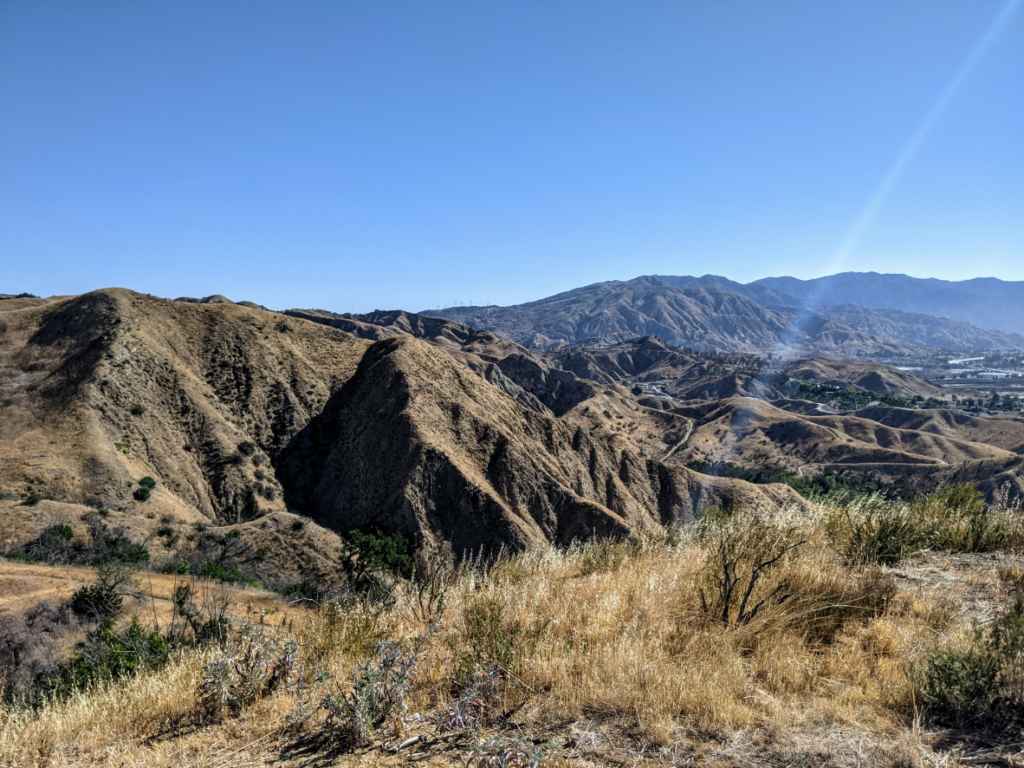
By limiting our exposure to light to only sunlight and firelight, we can actually reconnect with natural solar patterns fairly quickly. There are a number of benefits to this synchrony. One is that the body starts releasing melatonin earlier which helps in falling asleep. Another is that we stop producing melatonin earlier which makes it much easier to wake up in the morning. It also helps align our sleep cycles for optimum restfulness while sleeping. That means that we have an easier time falling asleep, get better quality sleep, and have an easier time waking up when our circadian rhythm is aligned with the natural light cycle.
Not only is it important to limit electrical light exposure after dark, but it is important to increase natural light exposure during the day, especially in the morning. Studies have shown that exposure to sunlight within the first two waking hours helps synchronize our circadian clock and increases energy level and mood throughout the day. A 15-20 minute walk in the morning should be sufficient to gain these benefits.
How to Put it All Together

Recap:
- Go for a walk or spend around 20 minutes outside in the sun within the first two hours of waking.
- Spend some time outside during the day. Do something that keeps you outdoors for a few hours.
- Don’t turn on any electric lighting after dark.
- Don’t use electronic devices after dark.
- If you need lighting after dark, use a fireplace/campfire or candles.
- Spend some time right before going to sleep reading or doing something else that helps you calm down.
Only one week of removing electric light exposure after dark and increasing natural light exposure during the day can be enough to completely reset our internal clock, and the effect may last for a month or more. The easiest way to do this is to go camping. But it will still have a strong effect if you do this at home and continue living your life normally otherwise.
Even one weekend of disconnecting from electronics and electric lighting after dark, and spending more time outside in the sun, especially in those first two hours after waking, can help dramatically to reconnect your circadian clock to the earth’s natural light cycle. Heather and I have done this several times over the last few years, it is always a refreshing and rejuvenating experience, and has definitely helped me shift my sleep schedule to be able to go to sleep easier and rise much earlier. I used to have horrible insomnia, and, now, most nights I fall asleep before Heather and sleep soundly through the night.
So, if you’re having trouble falling asleep and waking up and you want to sleep better and have more energy, try spending one weekend a month doing outdoor activities and maybe hanging out around a bonfire at night with your friends. That could transform your entire week, or month, and, who knows, you might even have some fun doing it.
❤🙏☀
Sources:
Entrainment of the Human Circadian Clock to the Natural Light-Dark Cycle
Wright, Kenneth P. et al.
Current Biology , Volume 23 , Issue 16 , 1554 – 1558
Czeisler, C. A. (2013). Perspective: Casting light on sleep deficiency. Nature, 497, S13.
Vernon, L., Modecki, K. L. and Barber, B. L. (2018), Mobile Phones in the Bedroom: Trajectories of Sleep Habits and Subsequent Adolescent Psychosocial Development. Child Dev, 89: 66-77.